 0
 0
Halloween has become a major business event in Vienna, with consumers expected to spend around €20 million on the celebration this year, according to a new survey commissioned by the Vienna Chamber of Commerce. The findings highlight the growing popularity of the festival, particularly among younger residents, and point to strong demand for sweets, costumes, and decorations.
The survey, conducted by KMU Forschung Austria on behalf of the Vienna Chamber of Commerce and published on October 22, found that those planning Halloween purchases expect to spend an average of €50 each.
While Halloween remains significantly smaller than major retail occasions such as Mother’s Day or Father’s Day, it has established itself as an important seasonal shopping event in the Austrian capital.
“Although Halloween, at around €20 million, is considerably smaller than Mother’s Day or Father’s Day, it is remarkable how naturally the festival has become part of life for the younger generation,” said Margarete Gumprecht, chairwoman of the retail sector at the Vienna Chamber of Commerce. “Two-thirds of people under 30 celebrate it. This makes Halloween an increasingly important consumer occasion for retailers.”
Young Viennese Drive Halloween Popularity
The survey reveals a particularly strong interest in Halloween among younger age groups. Among respondents aged 15 to 29, 66% said they intend to celebrate Halloween on October 31. The figure was only slightly lower among 30 to 39-year-olds, at 63%.
Participation declines with age, but the overall popularity of the event has been enough to create a significant economic impact for local businesses.
Trick-or-Treating Gains Importance
Halloween is not only about parties and costumes. The tradition of handing out sweets to costumed children has also become a key part of the celebration in Vienna.
According to the survey, seven in ten Viennese plan to give sweets or small gifts to trick-or-treaters this year. Among households with children, 60% intend to take part in trick-or-treating activities themselves.
Gumprecht said Halloween is increasingly taking on a social dimension, evolving into a neighborhood event where residents prepare treats for children from their local communities.
Sweets Remain the Top Purchase
Among consumers planning Halloween-related purchases, confectionery remains by far the most popular category.
The survey found the following purchase intentions among Halloween shoppers:
- Sweets: 89%
- Costumes: 46%
- Halloween decorations: 37%
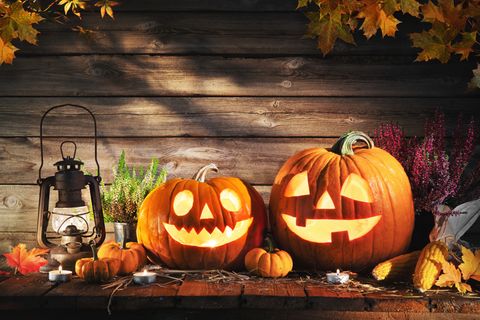
- Decorative pumpkins: 34%
- Makeup, jewelry and accessories: 28%
Retailers report particularly strong demand for individually wrapped sweets suitable for handing out to children, as well as themed products such as gummy skeletons and sour vampire-shaped candies.
Decorative items range from traditional pumpkins and artificial spider webs to skeletons, ghosts, and animated horror figures. Classic costumes such as witches, vampires, and skeletons remain popular, while films, television series, and broader pop culture continue to inspire new costume ideas.
Physical Stores Remain Consumers’ First Choice
The survey suggests that Vienna’s brick-and-mortar retailers will benefit most from Halloween spending.
Among those planning Halloween purchases, 85% intend to shop in physical stores, while 38% expect to buy items online. The figures overlap, as many consumers plan to combine in-store and online shopping.
According to Gumprecht, Halloween encourages spontaneous purchases that help attract customers to retail districts.
“Halloween thrives on impulse buying. People discover a decoration, try on a costume, or quickly pick up a pumpkin and some sweets. These occasions generate additional foot traffic for Vienna’s shopping streets,” she said.
Growing Economic Significance
The survey underlines Halloween’s growing role in Vienna’s consumer economy. The event has become especially popular among young adults, while many households continue to embrace the tradition of providing treats for children.
For retailers, the festival represents additional demand across multiple product categories, including food, costumes, decorations, and seasonal accessories.
The projected €20 million spending figure is based on consumer intentions recorded in the survey. Actual expenditure will only become clear after Halloween celebrations take place on October 31.
- vienna.at/picture: pixabay.com


This post has already been read 11 times!